Sarah Jiwani
New York, New York
A Multi-Faith Legacy
This collection explores landscape shaped over centuries by Roman, Islamic, and Christian influence in Spain.
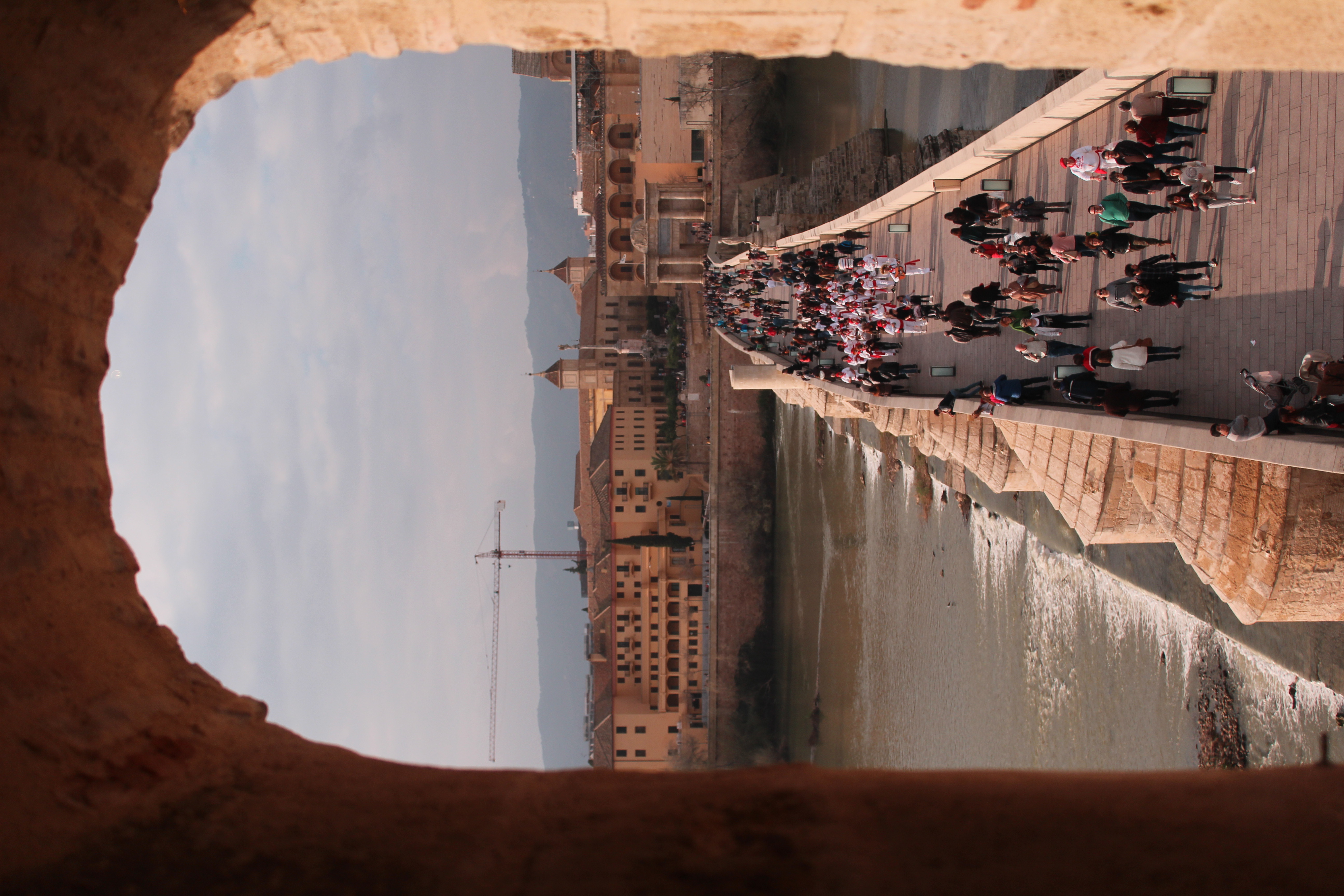
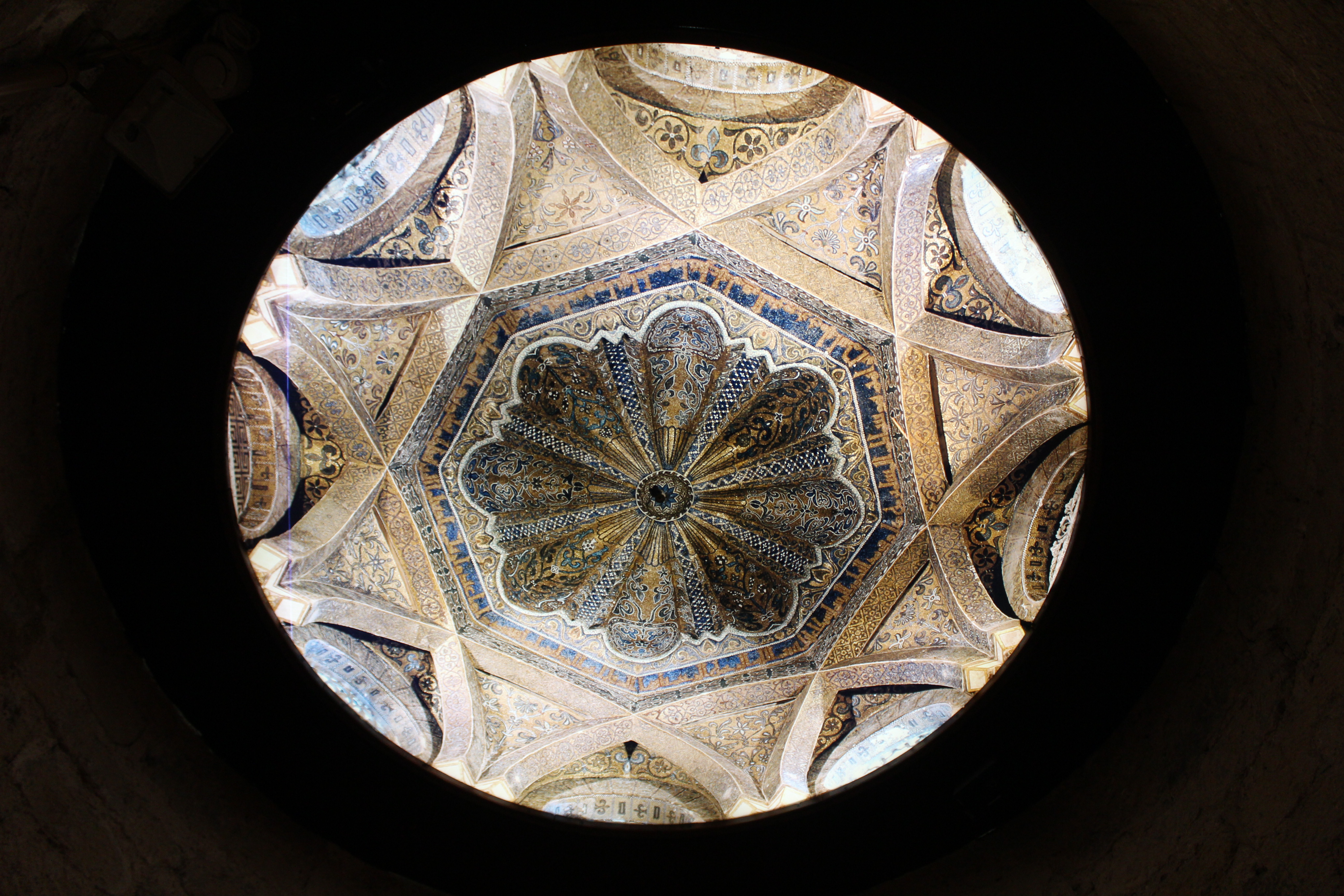
Córdoba, Spain is cultural fusion city where the architecture is a living dialogue between civilizations. Córdoba, which began as a Roman city and later became the capital of Islamic Spain, was one of the largest and wealthiest cities in Europe, known for its libraries, universities, advances in medicine and philosophy, and relative coexistence among Muslims, Christians, and Jews. After the reconquest led by Ferninand III of Castile, many Islamic buildings were turned into Christian churches while preserving much of the city’s earlier architecture. As a result, the courtyards, arches, and stonework can speak to centuries of adaptation and coexistence. It is a place where identity is not "fixed", but continually shaped by many hands across time.
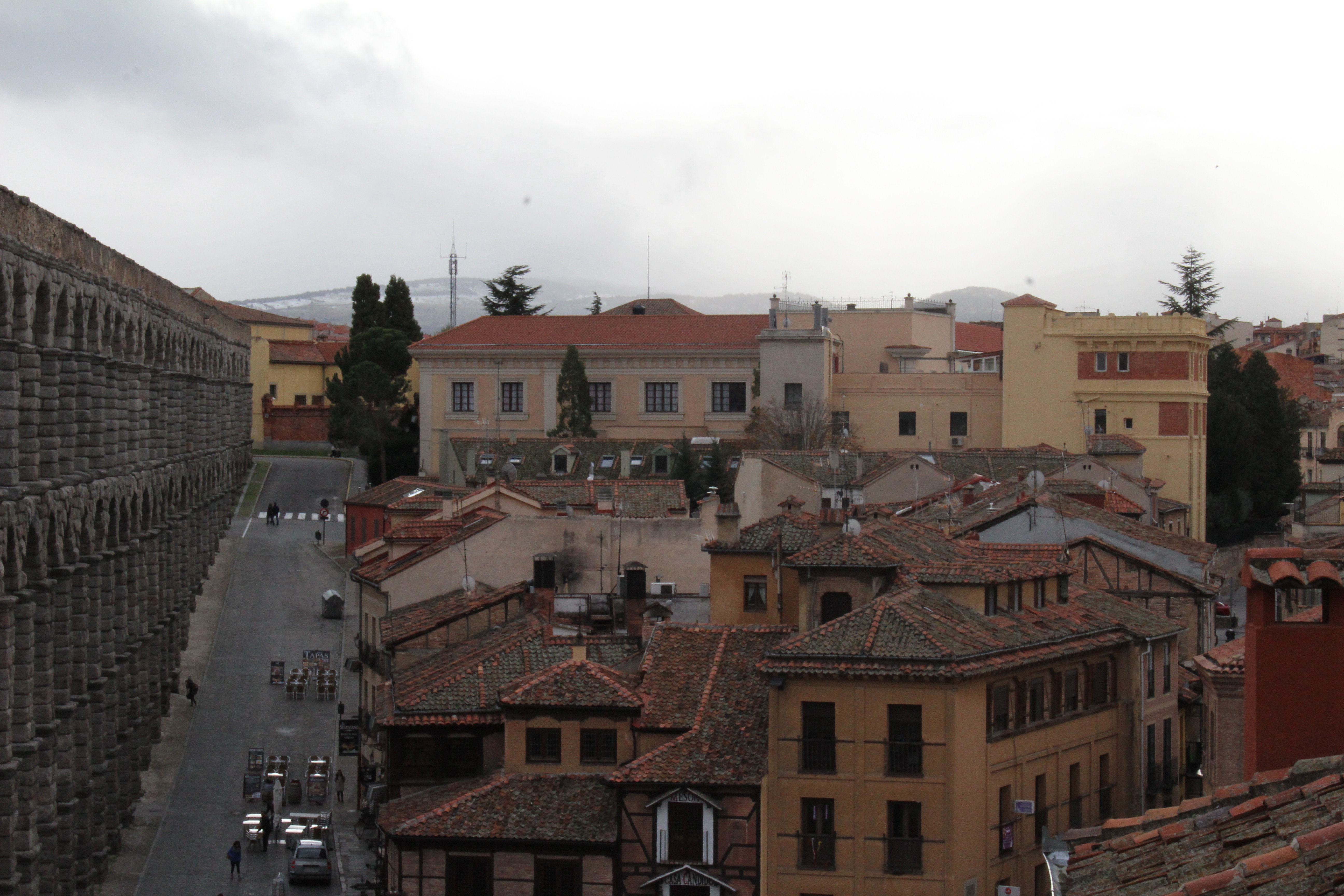
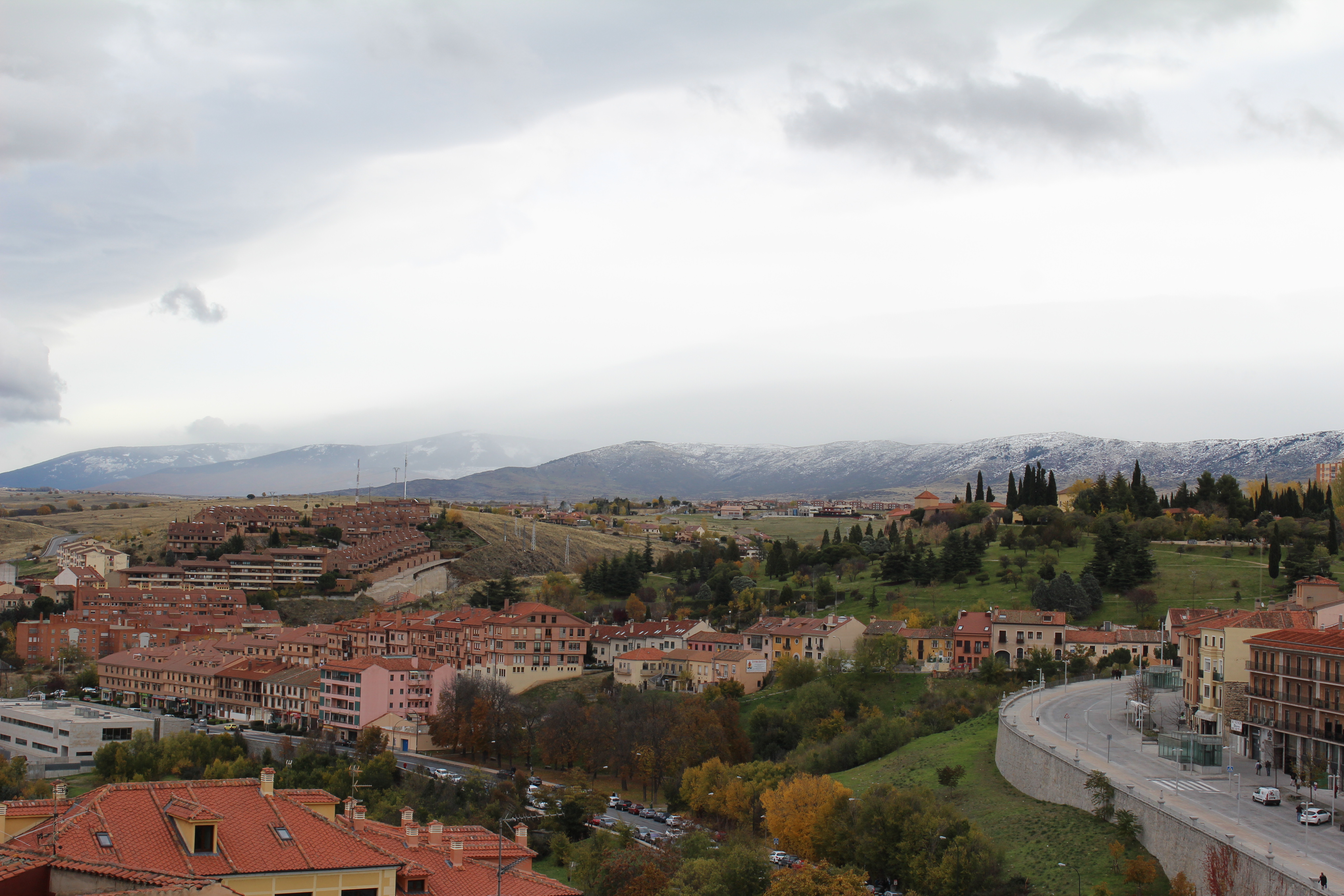
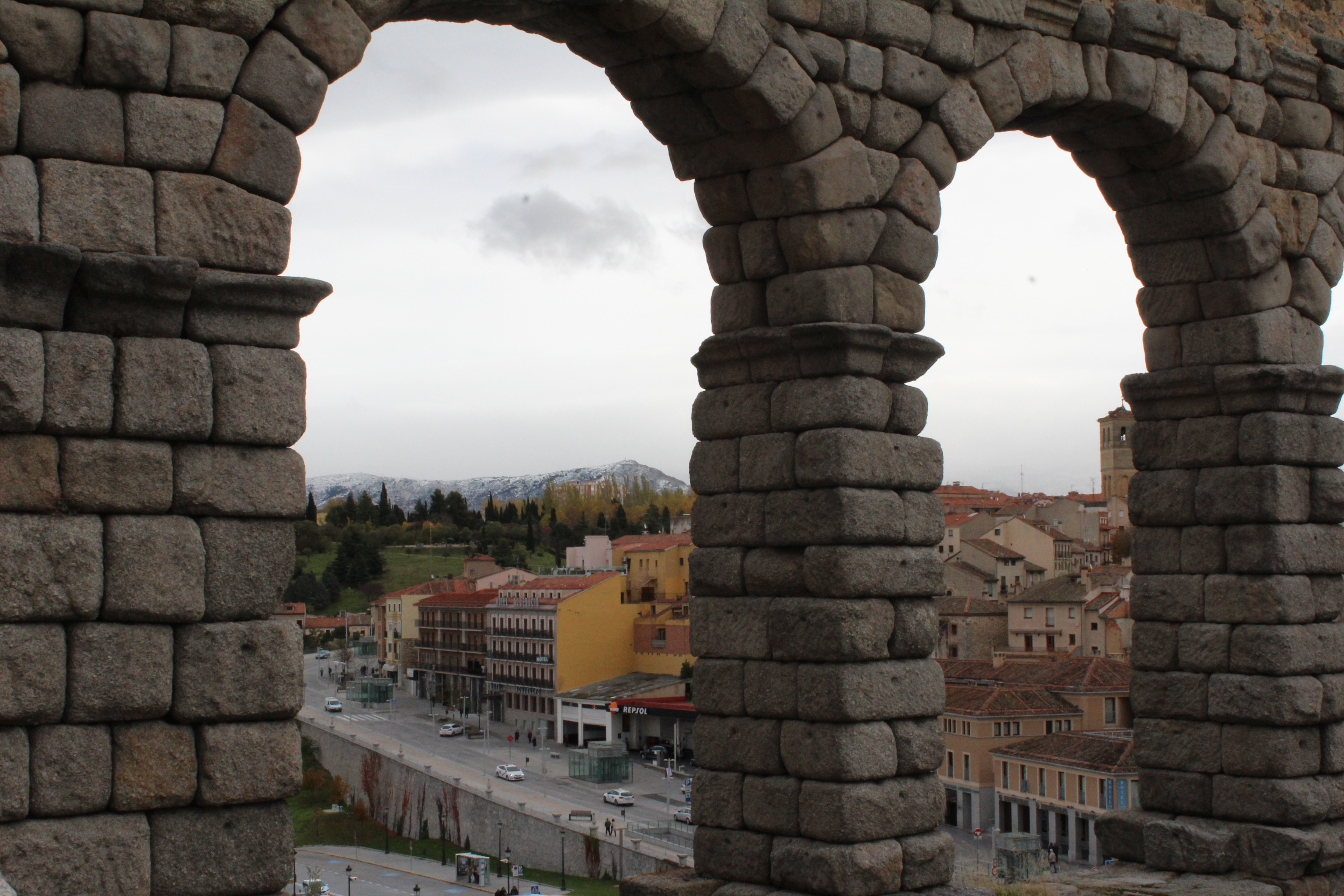
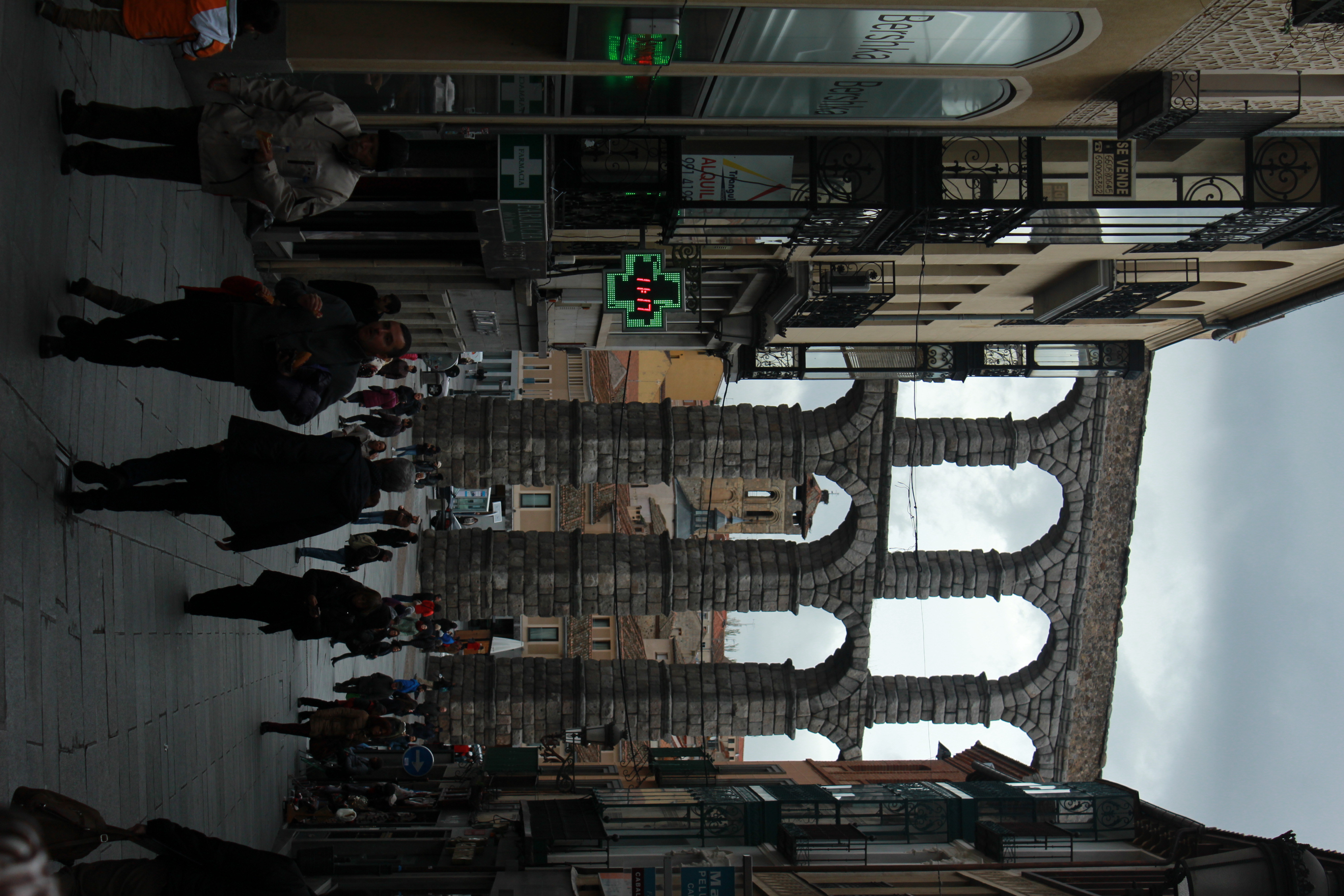
Segovia, Spain offers a quieter kind of continuity that is rooted in Roman foundation and carried forward through Christian history. The Aqueduct of Segovia, marvelously built without mortar, brought fresh water into the city from mountain springs, and is still holding together after nearly 2,000 years (since 1st century CE).
Together, this collection of craftsmanship by diverse communities encourages a pluralist perspective where cultural exchange and the sharing of knowledge truly strengthens art and society across time.
The historic center of Córdoba and the Aqueduct of Segovia are designated UNESCO World Heritage Sites.